
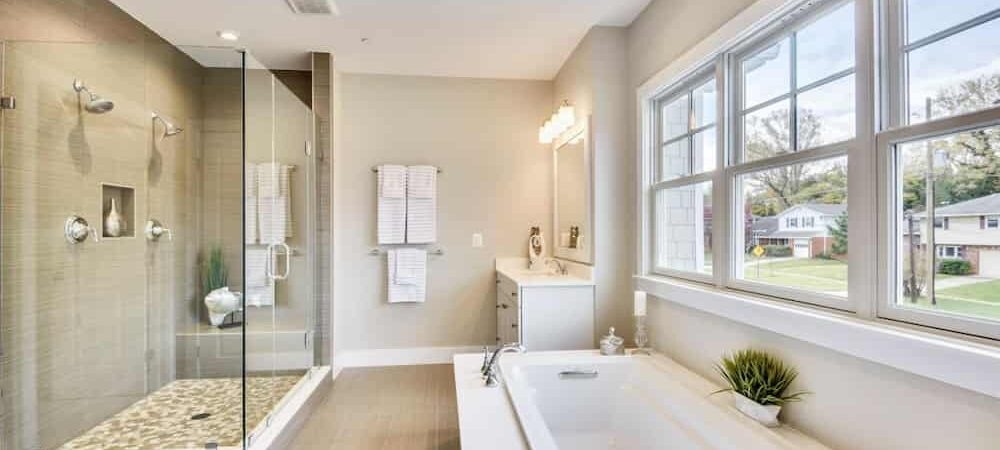
Planning a bathroom renovation often comes with one important decision: should you replace your traditional bathtub with a walk-in shower, or keep the tub you already have?
Both options have their advantages.
A walk-in shower can create a more open, modern bathroom and may make daily routines easier. A traditional bathtub offers the flexibility of soaking, bathing young children, and combining a shower and tub in one space.
The right choice depends on more than appearance.
Your household’s needs, bathroom layout, budget, accessibility requirements, and long-term plans should all influence your decision.
Before starting a remodel, here’s what every homeowner should consider.
1. Understanding the Main Differences
A traditional bathtub is designed to hold water for bathing. Many homes have an alcove bathtub with a showerhead installed above it, allowing the same fixture to serve both purposes.
A walk-in shower is primarily designed for standing or seated showering. It may feature a low threshold, glass enclosure, tiled walls, and a separate shower floor.
Some walk-in showers are designed with curbless entrances, making access easier for certain users.
Here’s a quick comparison:
| Feature | Walk-In Shower | Traditional Bathtub |
|---|---|---|
| Everyday access | Often easier with a low threshold | Requires stepping over the tub wall |
| Bathing options | Showering, sometimes with seating | Soaking and showering if equipped |
| Space | Can create a more open layout | Combines bathing functions in one fixture |
| Accessibility | Can be designed for easier access | May be challenging for limited mobility |
| Cleaning | Depends on tile, glass, and fixtures | Depends on tub material and enclosure |
| Installation cost | Varies widely by design | Varies by tub type and plumbing |
| Family needs | Convenient for many adults | Often useful for bathing young children |
Neither option is automatically better. The goal is to select a design that fits how your household uses the bathroom.
2. Accessibility and Everyday Safety
Accessibility is one of the most important differences between walk-in showers and traditional bathtubs.
Getting into a conventional bathtub generally requires stepping over a raised wall. For some homeowners, this can become difficult with age, injury, or limited mobility.
A properly designed walk-in shower may reduce this obstacle.
Features that can improve usability include:
- A low or curbless entrance.
- Slip-resistant flooring.
- Properly installed grab bars.
- A handheld showerhead.
- Adequate space for movement.
- A secure shower seat.
- Controls positioned within comfortable reach.
However, a walk-in shower is not automatically slip-proof or fully accessible.
Floor traction, drainage, doorway dimensions, and the placement of support features all matter.
Traditional bathtubs can also be adapted with certain accessories, although some modifications may not provide the same level of access as a purpose-designed shower.
Homeowner Tip: If mobility is a major concern, discuss the layout with a contractor or accessibility specialist before selecting fixtures.
3. Which Option Is Better for Small Bathrooms?
Bathroom size can significantly influence your choice.
In smaller bathrooms, replacing a bathtub with a walk-in shower may create a more open visual appearance.
A clear glass enclosure can make the room feel less divided, while a carefully designed shower may improve circulation.
However, removing a bathtub doesn’t automatically create more usable floor space.
The final layout depends on the shower dimensions, door clearance, plumbing locations, and available room around the toilet and vanity.
For example, a walk-in shower installed in the existing bathtub footprint may preserve the overall bathroom layout while changing how the space functions.
Before choosing a design, measure the room and consider:
- Available floor space.
- Shower entrance clearance.
- Door swing or sliding-door options.
- Storage requirements.
- Plumbing locations.
- Required building clearances.
A good layout should feel comfortable without compromising practical use.
4. Comfort and Daily Convenience
Think about how you actually use your bathroom.
If most members of your household prefer quick daily showers, a walk-in shower may be the more convenient option.
You can also customize it with features such as a handheld showerhead, built-in shelf, bench, or adjustable water controls.
On the other hand, some homeowners enjoy soaking in a bathtub after a long day.
Bathtubs can also be useful for bathing young children and certain household tasks.
Ask yourself:
Do you regularly use the bathtub for soaking?
If the answer is no, a shower conversion may be worth considering.
Does your household include young children?
Keeping at least one bathtub may be practical.
Would a lower shower entrance make daily routines easier?
A walk-in shower could offer meaningful benefits.
Are you planning to remain in your home as you get older?
Accessibility may deserve greater priority in your renovation plans.
The most comfortable bathroom is the one designed around your real needs.
5. Installation Costs: What Affects the Price?
Cost is often one of the biggest concerns when choosing between a bathtub and a walk-in shower.
There’s no single price that applies to every project.
The total cost depends on the existing bathroom, selected materials, labor requirements, and the complexity of the installation.
Walk-In Shower Cost Factors
Expenses may include:
- Removing the existing bathtub.
- Modifying plumbing connections.
- Installing a waterproof shower system.
- Constructing a properly sloped shower floor.
- Adding tile or wall panels.
- Installing glass doors or an enclosure.
- Adding grab bars or seating.
- Completing required permits and inspections.
Custom tiled showers and curbless installations may require more extensive work than prefabricated shower systems.
Traditional Bathtub Cost Factors
Expenses may include:
- Removing the old bathtub.
- Purchasing a replacement tub.
- Updating plumbing fixtures.
- Installing a new surround.
- Repairing damaged subflooring.
- Replacing wall finishes.
- Updating shower hardware.
Replacing a bathtub with a similar model in the same location may be relatively straightforward when the plumbing and surrounding structure are in good condition.
However, hidden water damage or layout changes can increase costs for either option.
Homeowner Tip: Request detailed written estimates that include demolition, waterproofing, materials, installation, and finishing work. Compare the complete scope rather than just the advertised starting price.
6. Cleaning and Maintenance
Maintenance is another important factor that homeowners sometimes overlook.
Both bathtubs and walk-in showers require regular cleaning, but the specific tasks may differ.
Walk-In Shower Maintenance
Depending on the design, you may need to:
- Clean glass panels to reduce water spots.
- Maintain tile grout and sealant where required.
- Remove soap residue.
- Keep the shower drain clear.
- Inspect joints and waterproofing-related finishes.
A shower with large wall panels and minimal joints may be easier to clean than one with extensive small-format tile.
Bathtub Maintenance
Traditional bathtubs may require:
- Cleaning the tub surface.
- Removing soap scum.
- Maintaining caulking.
- Cleaning shower curtains or doors.
- Checking fixtures for leaks.
The material also matters. Acrylic, fiberglass, porcelain-enameled steel, and cast iron have different care requirements.
Neither option is universally easier to maintain.
Choosing durable materials and a simple design can help reduce cleaning effort.
7. What About Water Usage?
Many homeowners assume that showers always use less water than bathtubs.
Often, a shorter shower with an efficient showerhead can use less water than filling a bathtub.
However, actual consumption depends on showerhead flow rate, shower duration, and how much water is used for a bath.
For example, a showerhead delivering 2 gallons per minute uses approximately 20 gallons during a 10-minute shower.
A longer shower may use considerably more.
If water efficiency is important, consider:
- Installing an efficient showerhead.
- Reducing unnecessary shower time.
- Repairing leaking fixtures.
- Choosing water-efficient plumbing products.
Water consumption should be evaluated based on actual household habits rather than assumptions.
8. Will Removing a Bathtub Affect Home Resale Value?
Homeowners sometimes worry that replacing a bathtub with a walk-in shower will reduce their property’s resale appeal.
The answer depends on the local housing market, the home’s layout, and potential buyers.
For example, families with young children may value having a bathtub.
Other buyers may prefer a modern, accessible shower.
If your home has multiple bathrooms, retaining a bathtub in one of them may provide flexibility while allowing you to install a walk-in shower elsewhere.
However, there’s no universal rule that every home must have a bathtub to maintain its value.
Before making a major renovation decision primarily for resale, consider speaking with a local real estate professional familiar with buyer preferences in your area.
Homeowner Tip: Focus on creating a functional, well-maintained bathroom rather than assuming that one fixture will automatically produce a higher resale price.
9. Don’t Overlook Waterproofing and Drainage
Whether you choose a bathtub or a walk-in shower, proper waterproofing is essential.
Bathrooms are exposed to frequent moisture, and installation mistakes can lead to expensive damage.
Walk-in showers require particular attention to:
- Shower floor slope.
- Drain placement.
- Waterproof membranes.
- Wall-to-floor transitions.
- Shower enclosure design.
- Water containment.
Curbless showers may require additional planning to ensure water remains within the intended wet area.
Bathtubs also need properly installed surrounds, plumbing connections, and sealed transitions.
Water-resistant tile and grout alone do not replace a correctly designed waterproofing system.
For significant renovations, hire qualified professionals who understand local plumbing and building requirements.
10. How to Choose the Best Option for Your Home
Before committing to a bathroom remodel, consider these five questions.
1. Who uses the bathroom most often?
A bathroom used mainly by adults may have different needs from one shared with young children.
2. Is accessibility important?
If stepping over a bathtub wall is difficult, a low-threshold shower may be worth exploring.
3. How much space do you have?
Measure carefully and consider how each layout affects movement and storage.
4. What’s your renovation budget?
Compare complete project estimates, including potential plumbing and waterproofing work.
5. How long do you plan to stay in your home?
Long-term comfort and changing household needs may influence which features are most valuable.
Taking time to answer these questions can help you avoid choosing a design based solely on appearance.
Walk-In Shower or Bathtub: Which Should You Choose?
A walk-in shower may be a good fit if you:
- Primarily take showers.
- Want easier access.
- Prefer a more open bathroom layout.
- Are planning for long-term usability.
- Want to incorporate shower seating or support features.
A traditional bathtub may be a good fit if you:
- Enjoy soaking baths.
- Have young children.
- Want the flexibility of bathing and showering.
- Prefer to retain the existing bathroom configuration.
- Have limited renovation funds and a serviceable bathtub.
If your home has more than one bathroom, a combination of both may offer the greatest flexibility.
Final Thoughts: Choose What Works for Your Lifestyle
Both walk-in showers and traditional bathtubs can be excellent choices when properly installed and suited to the household.
A walk-in shower may improve accessibility and everyday convenience, while a traditional bathtub provides bathing flexibility that some families value.
Before starting your renovation, evaluate your space, priorities, budget, and long-term needs.
The best bathroom upgrade isn’t necessarily the most expensive or fashionable option.
It’s the one that makes your home more comfortable, functional, and practical for the people who live there.
Better Homes, Better Living.
At Home Fix Solutions, we share practical bathroom renovation ideas, home improvement tips, and homeowner guides to help you make informed decisions about your home.